FBAC takes positions on November 2026 ballot measures
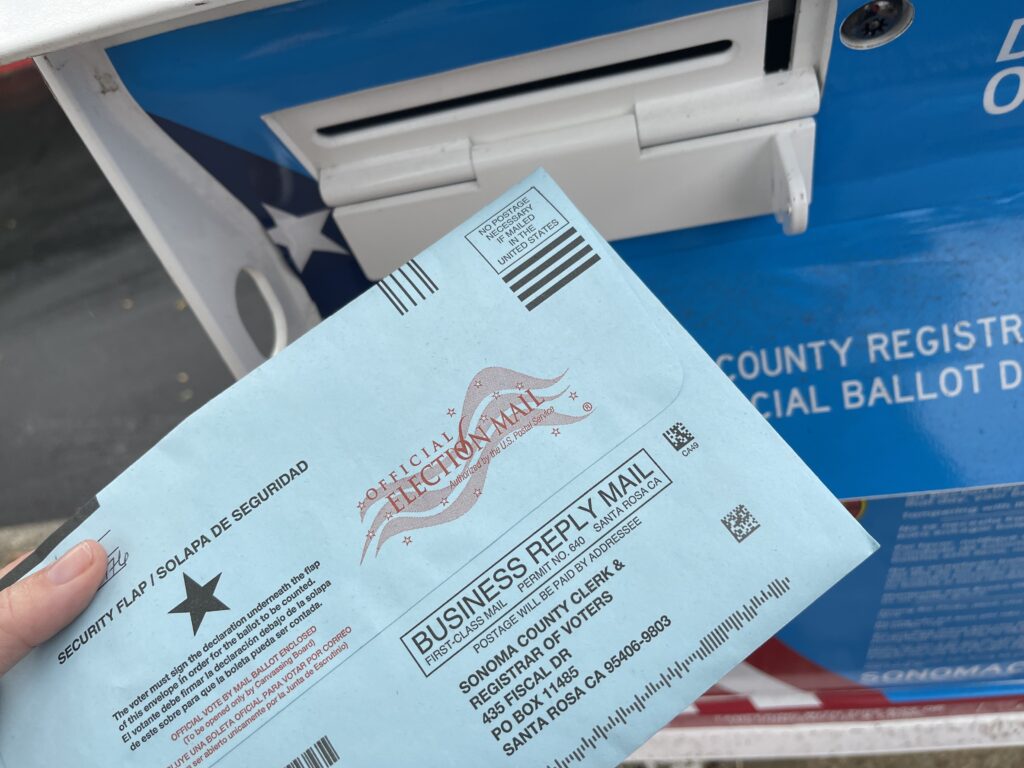
California voters will decide on 14 ballot measures this November — five put on the ballot by the Legislature and the remainder by outside groups. After careful consideration, the Family Business Association of California’s board of directors has taken positions on all but two based on the impact the measures would have on California’s family businesses.
- Proposition 1. The Veterans and Affordable Housing Bond Act of 2026. This is an $11.75 billion general obligation bond to subsidize rental housing. While we need more housing in the state, we do not need more debt and who knows where the money will ultimately go. No position
- Proposition 2. Save for California’s Future Act. This constitutional amendment from Democratic leaders would allow the state to deposit up to 20% of its general fund tax revenue into its rainy day fund each year, instead of the current 10%, and instead of returning excess tax revenues to taxpayers. Oppose
- Proposition 3. The measure seeks to make permanent a temporary income tax up to 12% — on high earners that voters approved in 2012. The tax applies to household income over $721,000 for couples and over $360,000 for individuals. The tax generates between $5-15 billion each year for K-12 schools and community colleges. It is set to expire in 2031. Opposed
- Proposition 4. This measure would give California governments the authority to set up public financing systems for state and local political candidates. Public campaign financing has been banned in California since 1988. State lawmakers approved the measure last year to send it to voters this November. Opposed
- Proposition 5. Governs the recall of state officers. After a recall, this constitutional amendment would eliminate the election to pick a successor immediately, such as when Gov. Arnold Schwarzenegger replaced the recalled Gov. Gray Davis, instead leaving the post vacant until it’s filled in a separate election. It would also allow the recalled official to run for the office again. No position
- Proposition 37. Creates a loan program for middle-income buyers of qualified new homes. This would create a $25 billion mortgage loan program for home buyers who make less than 200% of the area median income. The measure would offer fixed-rate mortgages for up to 17% of the purchase price on homes priced under $1.5 million. Home buyers must pay at least 3% of their down payment. As this is a revenue bond, not a general obligation bond, Support
- Proposition 38. This would allow the state to borrow $8.4 billion in debt to research immune system-based technologies for treating conditions including cancer, heart disease and Alzheimer’s. The money would be divided between a University of California-affiliated nonprofit and a grant for public or nonprofit institutions. Any resulting technology and drugs from the research would be sold at 20% below the national average. Too expensive. Opposed
- Proposition 39. This constitutional amendment would require voters to present government-issued ID when voting in person or the last four digits of their ID number when voting by mail. Support
- Proposition 40. This measure would apply a one-time 5% wealth tax on the assets of roughly 200 California billionaires, to be paid over five years. Ninety percent of the revenue would go to pay for healthcare for low-income Californians and 10% toward education and food assistance programs. Opposed
- Proposition 41. This measure in response to the billionaire tax proposal would require state audits of programs funded by new taxes. It would also apply revenue from new taxes to the state’s spending cap, which requires that spiking revenue go back to taxpayers or toward education. That would effectively cancel out the wealth tax proposal. If voters approve both measures, the one with more votes will prevail. Support
- Proposition 42. This measure is also aimed at undercutting the wealth tax proposal. It would prevent new taxes on personal property, which would offset the wealth tax. If both pass, the one with more votes prevails. Support
- Proposition 43. This would raise the threshold for citizen-driven special tax ballot initiatives to pass from a simple majority to two-thirds, making it harder to impose or increase taxes. The measure, placed on the ballot at the last minute by state lawmakers, reflects a deal state leaders struck with Howard Jarvis Taxpayers Association and the Business Roundtable. Support
- Proposition 44. This measure would require federally qualified health centers to spend 90% of revenue on direct patient care and services that aid in providing care to low-income and underserved people. Clinics that don’t comply would be fined; the money would go into a state-operated account for worker training and staffing. While this only pertains to health centers, it is another invasion by government controlling how a business is run. Opposed
- Proposition 45. This would amend the state’s landmark California Environmental Quality Act to create deadlines for environmental reviews of most housing, transportation, water, health and clean energy projects to speed up permitting and limit the court’s ability to stop or delay developments. Support